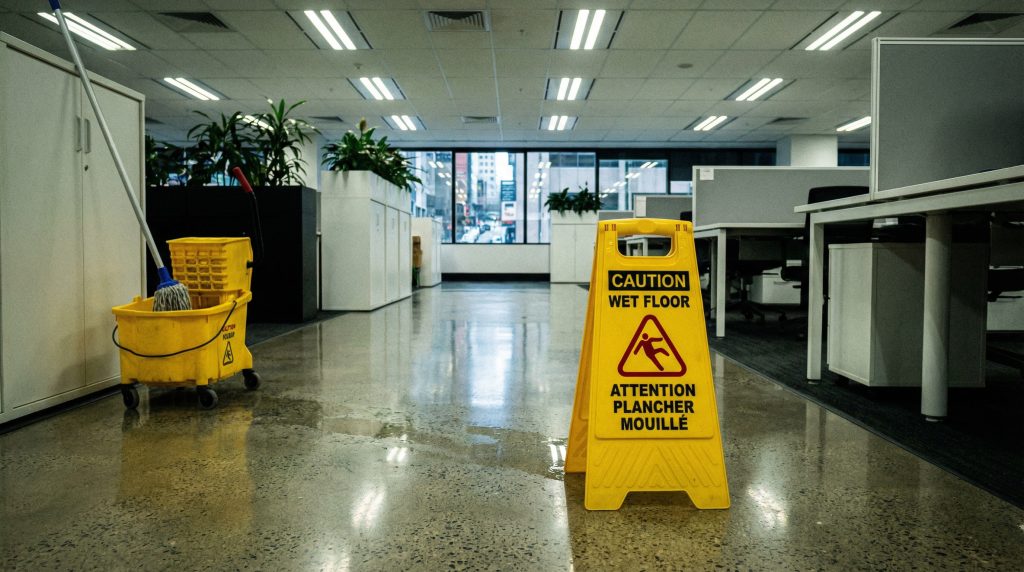
Injured in a slip, trip, or fall at work? These are among the most common workplace injuries in NSW, and among the most preventable. That last part matters for your claim.
Workplace falls can cause fractures, spinal injuries, head trauma, and a range of complications that extend well beyond the initial incident. If you slipped on a wet floor, tripped on an uneven surface, or fell from height due to inadequate safety measures, your employer had an obligation under NSW workplace health and safety law to prevent it. When that obligation wasn’t met, you may have grounds for more than just a basic workers compensation claim.
The circumstances that led to your fall are just as important as the injuries it caused. Unsafe floors, poor lighting, cluttered walkways, inadequate signage, and failure to maintain safe work areas are all potential indicators of employer negligence, and establishing that negligence can significantly increase the compensation available to you.
Who Can Claim
You may be eligible to claim if your workplace fall was caused or contributed to by:
Wet, slippery, or contaminated floor surfaces
Uneven, damaged, or poorly maintained flooring or ground surfaces
Inadequate lighting in work areas, stairwells, or access routes
Cluttered or obstructed walkways
Unsafe or poorly maintained stairs, ladders, or access equipment
Absence of required safety signage or barriers
Falls from height due to inadequate edge protection or scaffolding
Both sudden traumatic injuries and complications that develop or worsen over time following a fall are covered under the NSW workers compensation scheme.
How a Claim Works in NSW
Slip, trip, and fall claims follow the standard NSW workers compensation framework, but gathering evidence about the conditions that caused the fall is particularly important and should happen as early as possible.
Notify your employer immediately and ensure the incident is formally recorded. An incident report creates an important contemporaneous record.
Document the scene if you are able to, including photographs of the hazard that caused your fall, before it is cleaned up or rectified.
Obtain a workers compensation certificate of capacity from a doctor documenting your injuries.
Lodge your claim with your employer’s workers compensation insurer within six months of the injury where possible.
Receive weekly benefits and medical expenses while your capacity to work is affected.
Lump sum and common law compensation may be available where permanent impairment is established or employer negligence can be demonstrated.
Why You Might Want a Specialist Lawyer
Slip and fall claims are frequently disputed on the grounds that the hazard was obvious, that you should have taken more care, or that the employer’s safety systems were adequate. We help you push back on those arguments by:
Gathering and preserving evidence about the conditions that caused your fall
Identifying relevant breaches of the Work Health and Safety Act 2011 NSW
Ensuring your injuries and their ongoing impact are thoroughly documented
Pursuing work injury damages where employer negligence is clearly established
What Compensation Could You Receive?
Depending on your injuries and the circumstances of your fall, you may be entitled to:
Weekly income support while your capacity to work is affected
Medical treatment and rehabilitation expenses
Domestic assistance and care costs where required
Lump sum compensation for permanent impairment
Work injury damages common law where your employer’s failure to maintain a safe workplace caused your injury
FAQ
My employer cleaned up the hazard immediately after my fall. Does that mean I can’t prove what happened?
Not necessarily. Witness accounts, CCTV footage, incident reports, and maintenance records can all help establish what the conditions were at the time. Act quickly and contact us before evidence disappears.
I was partly responsible for the fall because I wasn’t paying full attention. Can I still claim?
Yes. Contributory negligence on your part doesn’t disqualify you from workers compensation, and even in common law claims it reduces rather than eliminates your entitlements. We’ll give you an honest assessment of how it affects your specific situation.
My fall happened in a car park or access area outside the main building. Does that count as a workplace injury?
Generally yes, provided the area was part of your employer’s premises or under their control, or the fall occurred during the course of your employment. The boundaries of workplace under NSW law are broader than most people assume.