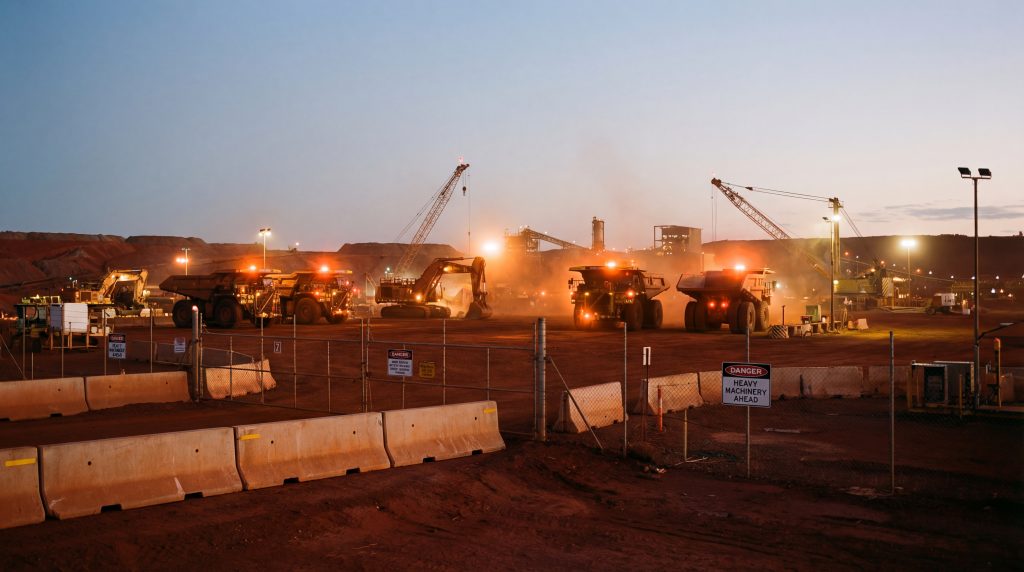
Injured in a high-risk industry? Some workplaces come with unique hazards, specific employer obligations, and legal complexities that general advice simply won’t cover.
Not all workplace injuries are equal, and neither are the industries in which they occur. Mining, construction, healthcare, agriculture, and emergency services all carry their own distinct risk profiles, regulatory frameworks, and employer duty of care obligations. If you’ve been injured in one of these sectors, getting advice from someone who understands the specific legal landscape of your industry can make a significant difference to your claim.
NSW workplace health and safety law imposes specific obligations on employers in high-risk industries, and when those obligations aren’t met, the consequences for workers can be severe. Understanding which rules applied to your workplace, and whether they were followed, is often central to maximising your entitlements.
Who Can Claim
We assist workers injured across a wide range of industries, including:
Mining and resources
Offshore oil and gas
Emergency services (police, fire, ambulance, and SES)
Trucking and transportation
Healthcare and aged care
Industrial and manufacturing
Construction and trades
Warehouse and forklift operations
Agriculture and farming
Office-based work
Each of these sectors has its own risk factors, regulatory requirements, and common injury types. We tailor our advice to your specific industry and circumstances.
How a Claim Works in NSW
Industry-specific claims follow the standard NSW workers compensation framework, but the details matter considerably more than in routine cases. Employer obligations under the Work Health and Safety Act 2011 (NSW), industry-specific regulations, and the circumstances of your accident all influence the strength and scope of your claim.
Notify your employer of the injury as soon as possible. In high-risk industries, there are often additional incident reporting obligations that run in parallel.
Obtain a workers compensation certificate of capacity from a doctor, ideally one with experience in occupational injuries relevant to your sector.
Lodge your claim with your employer’s workers compensation insurer within six months of the injury where possible.
Receive weekly benefits and medical expenses while your capacity to work is affected.
Lump sum and common law claims may carry particular weight in high-risk industries where employer negligence or safety breaches can be clearly established.
Why You Might Want a Specialist Lawyer
In high-risk industries, the gap between a basic claim and a fully maximised one can be substantial. Employer negligence, breaches of safety regulations, and failures to provide adequate training or equipment can all support additional compensation beyond standard weekly benefits. We help you:
Identify industry-specific obligations that your employer may have breached
Gather technical and expert evidence relevant to your sector
Ensure your claim captures every available avenue of compensation
Pursue work injury damages where employer negligence is established
What Compensation Could You Receive?
Depending on your industry, your injuries, and the circumstances of the accident, you may be entitled to:
Weekly income support while your capacity to work is affected
Medical treatment, rehabilitation, and care expenses
Lump sum compensation for permanent impairment
Work injury damages (common law) where your employer’s negligence caused or contributed to your injury
Additional damages in cases involving serious WHS breaches
FAQ
I work in a specialised industry and I’m not sure the standard workers compensation process applies to me. Does it?
In most cases, yes. The NSW workers compensation scheme covers the vast majority of workers regardless of industry. Some workers, including certain Commonwealth employees and interstate transport workers, may fall under different schemes. We’ll identify which framework applies to your situation.
My employer has a strong safety record and says the accident was unavoidable. Does that affect my claim?
The NSW workers compensation scheme is largely no-fault for weekly benefits and medical expenses, so your employer’s safety record is not the determining factor. For common law damages, however, establishing negligence does matter, and we’ll assess whether the circumstances support that path.
I work in a remote or offshore location. Can I still make a claim in NSW?
Jurisdiction depends on where your employment is based and where the injury occurred. Workers on offshore oil rigs, for instance, may fall under federal maritime law rather than the NSW scheme. We’ll identify the correct framework and ensure your claim is lodged in the right place.